Cassiobury Park garden waste removal Watford
Posted on 02/09/2026
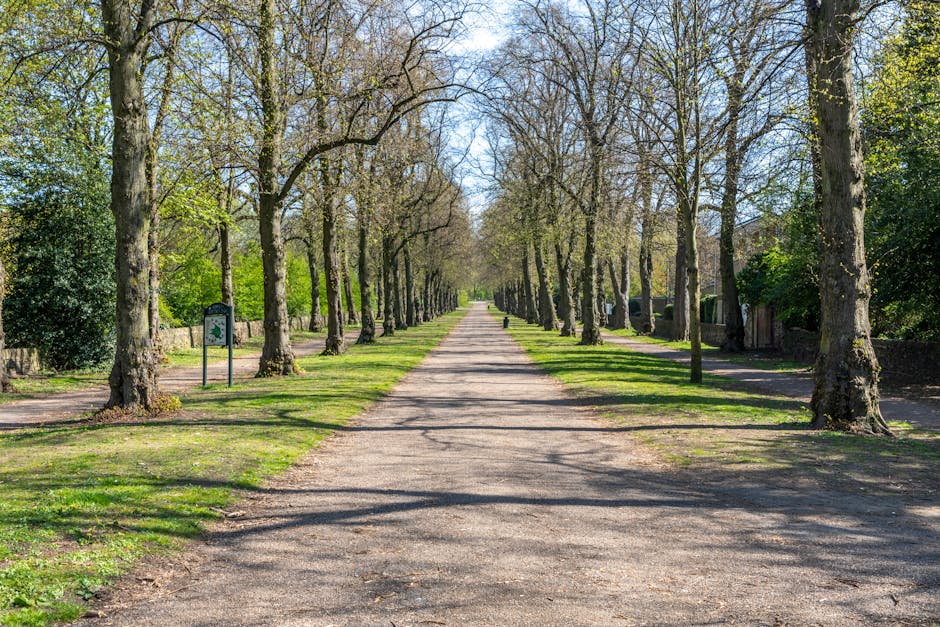
Cassiobury Park garden waste removal Watford: a practical local guide for clearing green waste the right way
If you are dealing with a pile of hedge cuttings, soil, branches, fallen leaves, or a full garden refresh near Cassiobury Park, you probably want one thing: a clean, simple removal process without the hassle. Cassiobury Park garden waste removal Watford is exactly that kind of job - part practical clearance, part careful disposal, and part local know-how. In a place where gardens can back onto busy streets, shared access paths, or tight driveways, the difference between a smooth collection and a stressful one is often in the planning.
This guide breaks down how garden waste removal works, what to expect, what to avoid, and how to decide whether a one-off collection, a full garden clearance, or a broader waste service makes the most sense. You will also find a checklist, a comparison table, and some straight-talking advice for keeping things tidy without making more work for yourself. Simple enough, really.
Why Cassiobury Park garden waste removal Watford Matters
Cassiobury Park is one of those parts of Watford where green space, homes, and weekend life all sit close together. That is lovely, of course, but it also means garden waste can build up fast. One hedge trim becomes two wheelbarrows of cuttings. A little pruning turns into a mixed pile of branches, turf, compost bags, and old plant pots. Then it sits there in the corner, looking harmless until the rain comes and it starts smelling damp and woody.
Garden waste removal matters because it keeps outdoor spaces usable, safe, and presentable. A tidy garden is easier to maintain, and frankly, once the mess has been cleared, you usually spot the next job more clearly. You can see the broken edging, the tired fence panel, the pile of old timber, or the bits of soil that have been hiding under ivy for months.
There is also a practical local angle. Around Cassiobury Park, access can be a bit of a mixed bag. Some properties have side access; some do not. Some gardens back onto narrow lanes or shared paths. That makes a well-organised waste removal plan worth its weight in gold. It reduces carrying distance, keeps pathways clear, and helps avoid damage to lawns, paving, or planting beds.
If your garden project involves more than green waste, it can also make sense to look at broader waste clearance in Watford or even a more specific garden waste removal Watford service so that mixed materials are handled sensibly from the start.
How Cassiobury Park garden waste removal Watford Works
Most garden waste removal jobs follow a fairly straightforward pattern, but the details matter. The best services will ask what you have, how much there is, whether it is loose or bagged, and whether anything is mixed in with non-green waste. That first conversation saves a lot of back-and-forth later. It also helps set expectations properly, which is never a bad thing.
In a typical case, the process looks like this:
- You describe the waste: grass cuttings, hedge trimmings, branches, weeds, soil, old fencing, or a mixture.
- Access is checked: front drive, side gate, rear garden, shared access, or a property with limited entry.
- The collection is booked for a time that fits your schedule.
- The waste is loaded manually, sorted where possible, and taken for lawful disposal or recycling.
- The area is left tidy so you can get on with the garden itself.
That sounds simple, but the smoother jobs usually depend on preparation. If you can separate green waste from rubble, broken furniture, or old appliances, you will usually get a cleaner and more efficient result. For example, a pile of branches and bags of leaves is one thing. A pile of branches, a cracked planter, a rusted BBQ, and a broken lawn mower is another altogether.
It is also worth thinking about the wider service picture. A lot of people clearing a garden near Cassiobury Park also need help with old sheds, outdoor furniture, or builders debris after landscaping. In those cases, a broader option like waste disposal Watford or builders waste disposal Watford may be more appropriate than a green-waste-only collection.
Key Benefits and Practical Advantages
The obvious benefit is getting rid of the mess. But the real value goes deeper than that. A proper removal job can change how quickly your outdoor space becomes usable again, and how much energy you spend finishing the job.
- Time savings: No need for repeated trips to a tip or re-bagging everything into awkward loads.
- Better presentation: A clear garden looks larger, calmer, and more cared for.
- Less physical strain: Branches, soil, and wet cuttings can be heavier than people expect.
- Reduced mess indoors: When waste stays outside and is removed promptly, less mud gets tracked through the house.
- More efficient gardening: Once the waste is gone, you can mulch, replant, turf, or repair borders without working around debris.
- Flexible support: Useful whether you are doing a light tidy-up or a full garden overhaul.
There is also a peace-of-mind factor. Let's face it, garden waste has a sneaky habit of becoming tomorrow's problem if you leave it for later. One Saturday afternoon of pruning can quietly expand into three weeks of "I'll sort that next weekend." A removal booking tends to break that cycle nicely.
And if the rest of your home has clutter building up too, it can help to combine the task with related services such as rubbish collection Watford, house clearance Watford, or furniture disposal Watford. Sometimes the smartest move is clearing the whole picture, not just one corner of it.
Who This Is For and When It Makes Sense
This kind of service suits more people than you might think. It is not only for large gardens or major landscaping jobs. In fact, plenty of smaller, ordinary situations justify a collection.
- Homeowners who have carried out seasonal pruning or a garden refresh.
- Landlords preparing a property between tenancies, especially where outdoor areas have been neglected.
- Busy families who have neither the time nor the vehicle space to dispose of bags of cuttings.
- Older residents who want the garden cleared without lifting heavy loads.
- Gardeners and landscapers who need overflow or site waste removed quickly.
- Businesses with grounds, courtyards, or planted areas that need keeping tidy.
It makes sense when the waste is too bulky for normal bins, too messy for straightforward bagging, or too much for a weekend tip run. It also makes sense when the waste is mixed, damp, or awkward to handle. A few bags of leaves? You may manage that yourself. A tangle of branches after stormy weather? Different story.
In the real world, people often reach this point after one of three moments: a seasonal cleanup, a renovation, or a "we should do something about this" conversation after seeing the garden from the kitchen window. That last one tends to happen on a grey morning. Very British, very familiar.
Step-by-Step Guidance
If you want the cleanest possible result, a little preparation goes a long way. Here is a sensible step-by-step approach.
- Sort the waste by type. Keep green waste separate from rubble, timber, metal, and household items where possible.
- Bundle what you can. Branches tied into manageable lengths are easier to move than a loose, scratchy heap.
- Check access routes. Think about gates, side passages, parking space, and whether any plants or ornaments need protecting.
- Remove hazards first. Sharp tools, broken glass, nails, and hidden wires should be dealt with before loading begins.
- Keep light and heavy waste apart. Soil and turf are dense; leaves and hedge trimmings are not. That affects volume and handling.
- Book the right level of service. If you have mixed items, consider a broader waste clearance option instead of green waste only.
- Leave a clear staging area. Even one tidy corner in the driveway or garden makes the job smoother.
If you are tackling the garden yourself first, do the heavy lifting in stages. Work from the far end of the garden towards the exit point. It sounds obvious, but people often do the opposite and end up walking the same pile back and forth. That gets tiring fast.
For larger jobs with mixed debris, it may help to compare service types before booking. A garden tidy-up is not always the same as a full clearance, and once you know the difference, choosing becomes much easier.
Expert Tips for Better Results
A few practical tips can make a noticeable difference, especially around Cassiobury Park where properties vary so much in access and layout.
- Dry waste is easier to handle. If possible, let cuttings dry slightly before collection. Wet grass and soggy leaves take up more space and get heavier.
- Use consistent bags. Mixed-size bags are awkward to stack. Even a rough consistency helps.
- Keep soil separate. Soil, turf, and clay can be far heavier than expected. A few bags can feel like a small workout, honestly.
- Do not overfill containers. Overstuffed bags split easily and create extra work.
- Protect access points. Lay down boards or coverings if wheelbarrows need to cross delicate paving or newly laid surfaces.
- Plan the order of work. Prune first, collect second, tidy third. That rhythm usually avoids rework.
If your garden project includes old outdoor furniture, rotting planters, or broken storage items, separate them before the collection. They may need a different disposal route. For example, a damaged rattan chair is not the same as a bag of ivy cuttings. If you are clearing more than garden waste, related services like furniture removal Watford or white goods and appliance disposal Watford can be useful to look at as part of the same job.
One more thing: keep an eye on the weather. A dry window makes life easier. A drizzly afternoon can turn leaf piles into slippery, clingy little beasts. Not ideal.

Common Mistakes to Avoid
A lot of garden waste problems are not really about the waste itself. They are about assumptions. A few easy mistakes crop up again and again.
- Mixing everything together. Green waste, rubble, and household rubbish should not all go into one pile unless the service is set up for mixed loads.
- Underestimating volume. Garden waste takes more room than it looks like, especially branches and hedge trimmings.
- Ignoring access issues. A collection can be delayed if nobody has thought through where the waste is coming from.
- Leaving sharp or hazardous items hidden in the pile. Nails, broken glass, and rusty metal can cause injuries.
- Waiting too long after cutting back. Fresh clippings are easier to gather than compacted, decomposing ones.
- Choosing the wrong disposal route. Not every item belongs in a garden waste load, and trying to force it can create delays or extra costs.
The biggest one? Booking only when the garden is already at breaking point. If you know you are planning a large tidy-up, arrange the removal around the work rather than after the fact. It is a small change, but it saves a surprising amount of stress.
Tools, Resources and Recommendations
You do not need specialist equipment for every garden clearance, but a few basic tools help enormously. Think simple, sturdy, and easy to clean.
- Heavy-duty garden sacks for leaves, weeds, and light cuttings.
- Wheelbarrow or garden trug for moving material from the back of the garden to the front.
- Rake and pruning shears for gathering small debris and managing overgrowth.
- Tarpaulin for dragging branches or turf without making a muddy trail.
- Gloves and sturdy footwear because brambles, thorns, and hidden debris are annoyingly common.
- String or twine for tying branches into manageable bundles.
For a broader view of what a proper clearance service can cover, take a look at the services overview. If you are planning a larger tidy-up beyond the garden, you may also find the information on waste disposal Watford helpful because it explains how different waste types are typically handled.
There is also value in knowing who you are dealing with. A company's about us page, its waste carrier licence and compliance information, and its insurance and safety approach all help you judge whether the service is well run. That is not paperwork for the sake of it. It matters.
Law, Compliance, Standards and Best Practice
Garden waste removal in the UK sits within a wider framework of responsible waste handling. You do not need to become an expert in waste law to arrange a collection, but it is sensible to understand the basics.
First, waste should be taken by a legitimate carrier. That means the business should be able to show that it is set up to collect and move waste lawfully. Second, materials should be disposed of or recycled appropriately. Green waste is often suitable for composting or other forms of recovery, but mixed loads may require sorting before treatment. Third, safety matters on site. Good practice includes safe lifting, clear access, and sensible handling of sharp or heavy items.
If you are clearing a property or garden, it is worth keeping records of who collected the waste and when. That is especially useful for landlords, managing agents, and businesses. It may sound a bit formal, but being able to explain where waste went is just good housekeeping. In the long run, it saves awkward questions.
Best practice also means being honest about what is in the load. If you have branches, soil, turf, old pots, and a broken shed panel all mixed together, say so. It is far better to get the right collection arranged than to create a messy mismatch on the day.
If sustainability matters to you, the recycling and sustainability approach is worth considering. Garden waste, when separated properly, can often be diverted away from landfill routes. That is better for the environment, and to be fair, it is just a more thoughtful way to deal with the job.
Options, Methods and Comparison Table
There is more than one way to clear garden waste, and the best option depends on time, access, waste type, and how much energy you want to spend. Here is a simple comparison.
| Option | Best for | Pros | Watch-outs |
|---|---|---|---|
| DIY disposal | Small amounts of light garden waste | Low upfront cost, total control | Time-consuming, heavy lifting, multiple trips |
| Skip hire | Large ongoing projects with room for a skip | Good for volume, easy to fill gradually | Space requirements, permit needs, waste separation still matters |
| Man-and-van garden collection | Quick removal of mixed or bulky garden waste | Fast, flexible, less lifting for you | Needs clear description of waste type and access |
| Full garden clearance | Overgrown, neglected, or heavily cluttered gardens | Covers more than just cuttings, good for reset jobs | May be more involved than a basic green waste collection |
For many households near Cassiobury Park, the man-and-van style collection is the sweet spot. It is usually quicker than managing waste yourself and more targeted than arranging something oversized. But if the garden has also become a dumping ground for broken items, then a more complete waste clearance Watford service may fit better.
Case Study or Real-World Example
Here is a realistic example from the kind of job people request all the time. A couple near Cassiobury Park had spent a weekend cutting back hedges, clearing ivy, and lifting an old border that had become more roots than soil. By Sunday evening, they had six bags of hedge trimmings, a pile of branches, broken terracotta pots, and a small stack of timber from a dead planter box.
They could have tried to handle it in stages over a few weekends. Instead, they separated the green waste from the timber and pots, stacked the branches neatly, and kept the access path clear. The result was far less disruption on collection day. The garden looked bigger immediately, which was the first surprise. The second was how much easier it became to plan the next step: levelling the patch and replanting the edge. Once the waste was gone, the whole space changed mood. You could almost hear the garden breathing again. A bit dramatic, maybe, but true enough.
That is the quiet value of garden waste removal. It is not just disposal. It is momentum. It helps the rest of the project happen.
Practical Checklist
Use this quick checklist before booking or preparing your garden waste removal:
- Separate green waste from rubble, metal, and household rubbish.
- Bundle branches and long cuttings where possible.
- Check gates, side paths, and parking access.
- Protect delicate paving, lawn edges, and plant beds.
- Move sharp items and tools out of the way.
- Estimate whether the job is a simple collection or a fuller clearance.
- Confirm what can and cannot be included in the load.
- Ask about disposal and recycling practices if sustainability matters to you.
- Choose a time when the garden is ready, not half-finished and awkward.
- Keep the route from the garden to the vehicle as clear as possible.
If your project is larger than expected, it may also be worth reviewing related support such as loft clearance Watford or house clearance Watford if you are tidying the property as a whole. Sometimes one job leads to another. Happens all the time.
Get a free quote today and see how much you can save.
Conclusion
Cassiobury Park garden waste removal Watford is about more than getting rid of clippings and branches. It is about restoring order to a space that has started to feel a bit too busy, too heavy, or too neglected. Whether you are dealing with a small seasonal tidy-up or a bigger garden reset, the best results come from clear separation, sensible access planning, and choosing the right disposal route for the waste in front of you.
If you want a garden that feels usable again, do not leave the mess to gather dust, damp, and regret. Sort it, clear it, and give the space a proper fresh start. There is something genuinely satisfying about stepping back and seeing the garden as a place to enjoy again, not a list of chores waiting for you. And yes, that first cup of tea outside after the clearance does feel better.