Clarendon Road domestic rubbish removal guide Watford
Posted on 11/08/2026
If you live near Clarendon Road and you are staring at a growing pile of household clutter, broken furniture, old bags, or the sort of rubbish that somehow multiplies overnight, this guide is for you. The Clarendon Road domestic rubbish removal guide Watford below explains how local rubbish collection and waste clearance usually work, what to expect, and how to avoid the common mistakes that make a simple job more stressful than it needs to be.
Domestic rubbish removal is one of those jobs people put off for ages. Then one Saturday morning arrives, the hallway feels cramped, the loft is packed, and you realise that the spare room has become a storage cupboard with ambitions. Truth be told, most homeowners do not need more theory. They need a clear process, a realistic idea of costs and timescales, and a service that actually turns up on time.
This article covers the practical side of getting rubbish removed from a home near Clarendon Road in Watford: how it works, what it suits, what to check before booking, and how to stay on the right side of safety and compliance. If you are also looking at related jobs, you may find the site's services overview useful for understanding how domestic clearance sits alongside other waste removal options.
Why Clarendon Road domestic rubbish removal guide Watford matters
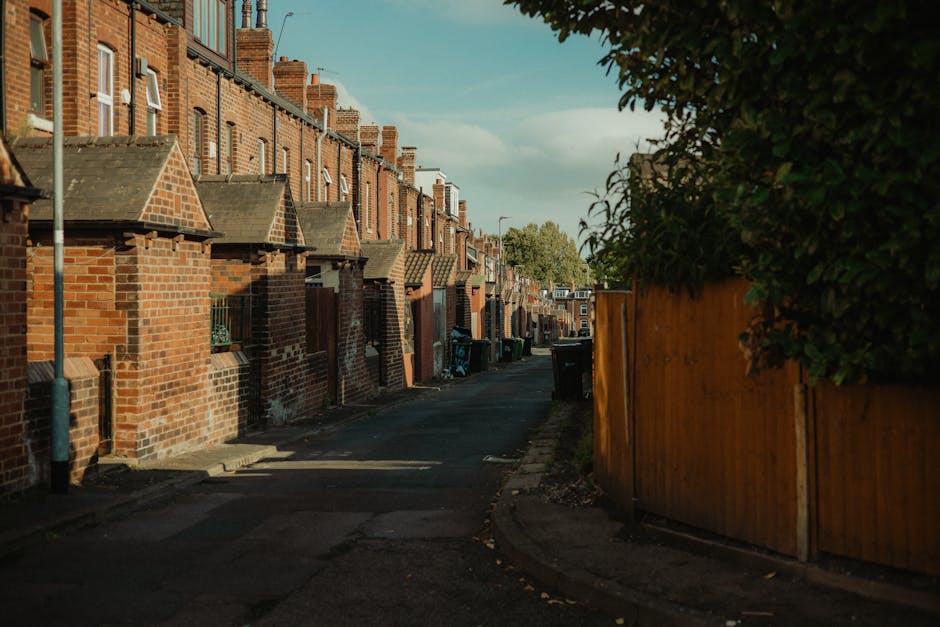
Clarendon Road sits in a busy part of Watford, and that changes how domestic rubbish removal feels in practice. Access can be tighter than in a wide suburban road, parking can be awkward, and the timing of collection matters more than people expect. If you are clearing a flat, a terrace, a maisonette, or a family home nearby, you want the job handled quickly, with as little disruption as possible.
Domestic rubbish removal matters because waste left too long can start to affect daily life. It blocks walkways, attracts moisture and odours, and creates a sort of background stress that is hard to ignore once you notice it. A stack of old cardboard, a broken wardrobe, a few heavy black bags, and suddenly the space does not feel like home anymore. Annoying, really.
There is also the practical angle. A proper domestic clearance helps separate what can be reused or recycled from what truly needs disposal. That is better for the property, better for the environment, and often better for your wallet than hiring the wrong solution and making two trips to solve one problem. For larger clearances, it may also be worth reading about house clearance in Watford, especially if the rubbish is mixed with furniture or stored items.
In our experience, the people who plan the job properly tend to feel the relief almost immediately. Not later. Almost immediately. Once the clutter leaves the property, the whole room seems to breathe again.
How Clarendon Road domestic rubbish removal guide Watford works
Domestic rubbish removal is usually straightforward, but it works best when you understand the process before booking. The exact approach can vary depending on the amount of waste, the type of items, and how easy it is to access the property. Near Clarendon Road, access and parking are often the first things to think about.
Most jobs follow a simple pattern:
- You describe what needs removing.
- The provider estimates the size, type, and likely labour involved.
- A collection time is arranged that fits your schedule.
- The team arrives, loads the waste, and clears the area.
- The waste is sorted for reuse, recycling, or disposal where appropriate.
That sounds easy, and often it is. But the difference between a smooth job and a messy one usually comes down to details: can the team park close enough, are the items downstairs or up a tight flight of stairs, and is the waste split into general rubbish, furniture, or bulky appliances?
If you have mixed items, separate pages such as furniture disposal in Watford and white goods and appliance disposal can help you think in categories rather than one giant mountain of stuff. That usually makes the quote more accurate too.
One small but useful point: clear access saves time. A front path with a stack of bin bags and a fridge wedged behind three boxes is not impossible to deal with, but it slows everything down. If you can stage the waste neatly beforehand, you are already halfway there.
Key benefits and practical advantages
When domestic rubbish removal is done well, the benefits are obvious. But the less obvious advantages matter just as much.
- Speed: a single visit can clear far more than a day of DIY trips to the tip.
- Less lifting for you: heavy items, awkward furniture, and mixed waste are handled for you.
- Better use of space: spare rooms, gardens, and hallways become usable again.
- Cleaner sorting: recyclable and reusable items can be separated more sensibly.
- Reduced stress: you avoid hiring vans, borrowing tools, and juggling disposal rules.
For many Watford households, the real benefit is time. Not glamorous, but true. A Saturday can disappear fast when you are shifting a broken chest of drawers, hunting for parking, and queueing at a waste site. A professional domestic clearance can turn that whole weekend into one tidy, manageable job.
There is also a trust factor. A reputable service should be able to explain how the waste will be handled and what happens after collection. If sustainability matters to you, it is worth looking at recycling and sustainability practices before you book.
Expert summary: The best domestic rubbish removal is not just about getting rid of clutter. It is about removing it safely, sorting it properly, and leaving the property easier to live in the same day.
Who this is for and when it makes sense
This kind of service is useful for a surprisingly wide range of people. You do not need a major renovation or a full house sale to make it worthwhile. Sometimes it is just a few bags, a broken bed frame, and a corner of the loft that has become a magnet for forgotten things.
It usually makes sense if you are:
- clearing general household rubbish after a declutter
- moving out of a flat or family home
- sorting a loft, garage, shed, or under-stairs storage area
- replacing old furniture or appliances
- dealing with bulky waste after a life change or house refresh
- trying to clear space before photos, sale viewings, or guests arrive
It is also useful if your waste is not quite suitable for a normal weekly bin collection. That is common with bagged clutter, mixed domestic items, and bulky pieces that are too awkward to handle alone. For smaller, routine loads, a dedicated rubbish collection service in Watford may be enough. For fuller, mixed clearances, you may need a broader waste clearance service.
And yes, sometimes people wait far too long. We have all done it. The pile in the corner grows a personality. Then one day you realise you have been walking around the same broken shelf for six months. Funny, in hindsight. Less funny at the time.
Step-by-step guidance
If you want a simple route through the process, follow these steps. This is the part to bookmark if you are trying to get the job done without faffing around.
- Walk the property first. Check the loft, garden, hallway, and any storage spaces. Make a list of what is going.
- Separate your waste types. Put furniture, general rubbish, garden waste, and appliances into rough groups if possible.
- Note access issues. Mention narrow staircases, parking limitations, shared entrances, or any heavy items upstairs.
- Ask for a clear quote. A decent quote should reflect the actual volume and complexity, not just a rough guess.
- Confirm what is included. Check whether labour, loading, disposal, and recycling are covered.
- Prepare the items. Keep walkways clear and move smaller loose bits to one area if you can do so safely.
- Be available at collection time. That avoids delays and last-minute confusion about what stays and what goes.
- Inspect the area after loading. A quick look helps catch stray packaging or smaller pieces that were hidden under larger items.
If the clearance includes heavy or awkward furniture, the site's furniture removal Watford page is a sensible reference point. For loft-based clutter, the loft clearance option is often the better fit.
Simple advice, but worth saying: take a photo of the waste before the team arrives. It helps keep expectations aligned. Also, it saves you from the classic "I thought that old armchair counted as small" conversation.
Expert tips for better results
Small choices make a big difference. These are the kinds of practical details that help the job go smoothly and keep the final bill sensible.
- Sort by item type, not by room. Rooms often contain mixed waste. Sorting by type makes collection and disposal easier.
- Keep bulky items accessible. If a sofa is behind five lighter bags, move the bags first if it is safe to do so.
- Be honest about the volume. Understating the amount of waste is the fastest way to create friction on the day.
- Ask about lifting conditions. Stairs, tight corners, and basement access all affect labour time.
- Set aside anything you want to keep. This sounds obvious, but mistakes happen when a room is half-cleared and someone assumes an item is rubbish.
If you are clearing a property in the older parts of Watford, or around mixed residential blocks, it helps to think practically about parking, neighbours, and timing. Early morning can be quieter. Midday can be more convenient. Late afternoon can be easier if you are working around school runs or work calls. There is no single perfect slot, just the one that fits your day.
Also, ask whether the provider is set up for safe handling and appropriate insurance. The page on insurance and safety is worth reviewing if you want to understand the sort of standards a careful operator should follow.

Common mistakes to avoid
Most bad experiences with domestic rubbish removal come from avoidable mistakes. Not dramatic ones. Small ones. The annoying sort.
- Booking too late: leaving the job until the day before a move or renovation creates pressure and limits options.
- Mixing keep and remove piles: if you do not clearly separate them, items can be moved by mistake.
- Ignoring access problems: a narrow staircase or awkward parking bay matters more than you might think.
- Not checking item restrictions: some waste needs special handling, especially appliances or awkward mixed materials.
- Choosing on price alone: the cheapest quote is not always the best if it skips labour, disposal, or proper handling.
Another common one is assuming every item can be handled the same way. A bag of household clutter is not the same as a fridge, and a broken wardrobe is not the same as garden waste. That matters for sorting, transport, and disposal. If you are dealing with outdoor rubbish too, it may be useful to compare with garden waste removal in Watford.
Let's face it, nobody wants to have the same conversation twice because the first quote was too vague. A bit of honesty at the start saves everyone time.
Tools, resources and recommendations
You do not need specialist kit for most domestic clearances, but a few simple tools can make preparation easier and safer.
- Heavy-duty bin bags: useful for lighter household rubbish and mixed loose items.
- Gloves: helpful for dusty loft items, old cardboard, and sharp edges.
- Box cutter or tape: useful for flattening packaging and making piles easier to handle.
- Markers or labels: good for separating keep, donate, and remove items.
- Phone camera: simple, but excellent for photographing what needs clearing.
From a planning point of view, the most useful resources are usually the company pages that explain scope, pricing, and practical expectations. For example, pricing and quotes can help you frame the budget, while payment and security is the sort of page that gives peace of mind before you agree anything.
If your clearance is not purely domestic, the site also has focused support for builders waste disposal, commercial waste removal, and office clearance. Different waste types need different handling, and it is better to match the job properly than to force it into the wrong category.
Law, compliance, standards, and best practice
For householders, the main thing is simple: waste should be handled by a proper carrier and disposed of responsibly. In the UK, you do not want rubbish being tipped illegally or handed to someone who cannot explain where it is going. That is not just bad practice; it can create real headaches later.
Good providers should be able to explain their compliance approach in plain English. A useful sign of seriousness is a clear explanation of licensing and operating responsibilities, such as the information on waste carrier licence and compliance. You should also expect sensible attention to privacy, payment clarity, and fair terms, especially if you are arranging the job quickly.
Best practice usually includes:
- clear item descriptions before collection
- safe loading and lifting methods
- sorting waste for recycling where possible
- avoiding fly-tipping or unofficial dumping
- transparent communication if the load changes on arrival
It is also reasonable to ask what happens to different waste streams. For example, electrical items, furniture, and mixed household rubbish should not all be treated as one grey lump. They rarely are in a well-run operation.
Options, methods, and comparison table
There is more than one way to clear domestic rubbish, and the best option depends on the size of the job, the type of waste, and how much time you want to spend on it. Below is a simple comparison to help with decision-making.
| Method | Best for | Pros | Limitations |
|---|---|---|---|
| Self-haul | Small, light loads | Can be cheaper if you already have transport | Time-consuming, lifting involved, parking and disposal effort |
| Scheduled household collection | Routine waste and smaller amounts | Convenient, predictable, low hassle | Usually not suitable for bulky or mixed clearances |
| Professional domestic rubbish removal | Mixed, bulky, or time-sensitive jobs | Fast, labour included, less stress | Cost depends on volume and access |
| Specialist item disposal | Appliances, furniture, or specific waste types | Better handling of awkward items | May need separate quotes or coordination |
In practical terms, most households near Clarendon Road will end up choosing the third option for anything beyond a few bags. It is simply the least disruptive route. If you know the job is mostly old furniture or a single bulky item, then the more focused options can make sense too.
Case study or real-world example
Here is a realistic example from a typical Watford home near a busy residential road. A household had gathered a mix of items over several months: a broken bookcase, two faded chairs, a pile of flattened packaging, six or seven general rubbish bags, and a couple of old small appliances tucked in the utility area. Nothing unusual. Just the sort of clutter that slowly takes over when life gets busy.
The first challenge was access. The hallway was narrow, and the larger pieces were upstairs. The second was sorting. Some items were reusable, some recyclable, and some needed disposal. By grouping everything before the team arrived, the family saved time and reduced the chance of items being missed.
What made the biggest difference was not speed alone. It was the feeling afterwards. The utility area looked bigger, the hallway was clear, and the family could finally use the spare room as a workspace again. That is the real payoff. Not the landfill avoidance chat, not the paperwork, not even the quote. Space. Calm. A room that feels like a room again.
If that sounds familiar, you are probably closer to sorting the issue than you think.
Practical checklist
Use this checklist before booking domestic rubbish removal near Clarendon Road:
- Walk through every room, loft, shed, and storage area
- Separate rubbish, furniture, white goods, and garden waste
- Mark anything that must not be removed
- Check whether stairs, narrow doors, or shared entrances will affect access
- Estimate whether the load is small, medium, or large
- Take photos so you can explain the job clearly
- Confirm whether labour and disposal are included in the quote
- Make sure pathways are clear before the team arrives
- Ask how mixed waste will be handled
- Keep the final area clear for a quick inspection once the rubbish is gone
If you are dealing with a loft specifically, the loft clearance service and the related local pages such as WD2 Watford loft clearance can be useful references for planning a similar job.
Get a free quote today and see how much you can save.
Conclusion
A good Clarendon Road domestic rubbish removal guide Watford should do more than explain what rubbish removal is. It should help you make a better decision, prepare properly, and avoid the little mistakes that turn a simple clearance into a long weekend of lifting, sorting, and second-guessing.
The key points are straightforward: know what you are removing, think about access early, separate item types where you can, and choose a provider that values safe handling and proper disposal. If the job is mixed or bulky, a professional collection is usually the calmest route. If it is smaller, a targeted rubbish collection may be enough. Either way, the goal is the same: get your space back without unnecessary hassle.
And once the last bag has gone and the room finally looks like itself again, you will probably wonder why you waited so long. Funny how that happens.