Local rubbish removal near Watford Junction station
Posted on 27/07/2026
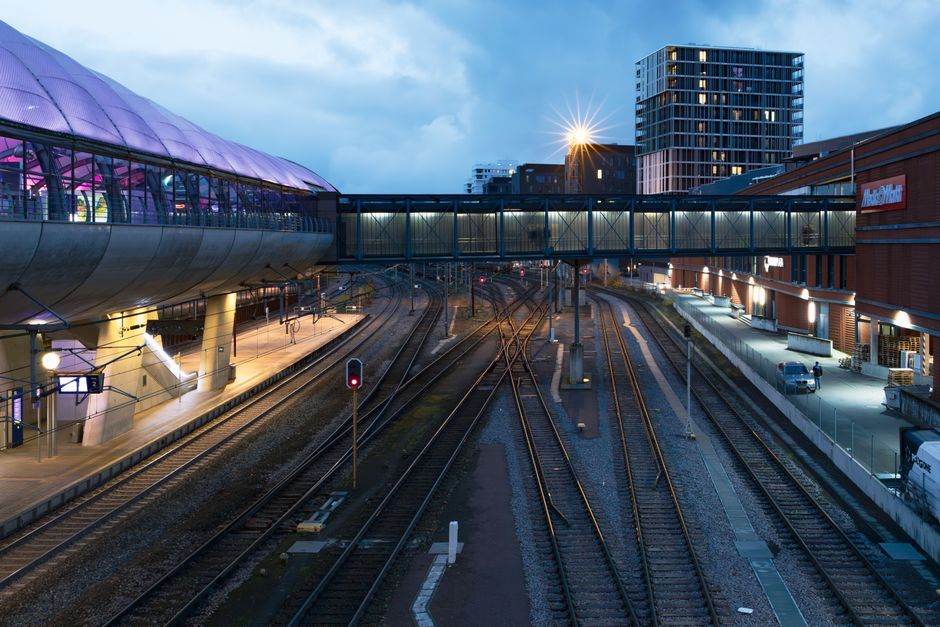
If you live, work, or commute around Watford Junction station, rubbish has a habit of building up at the worst possible moment. A broken wardrobe in a flat above the High Street, builders' offcuts after a quick refurb, a few bags of mixed junk that won't fit in the car - suddenly it becomes a real nuisance. That is where local rubbish removal near Watford Junction station makes life easier: quick collection, sensible sorting, and a straightforward way to clear space without turning your day upside down.
In this guide, you will find a practical, no-nonsense explanation of how local rubbish removal works in the area, what to expect, who it suits, and how to avoid the usual headaches. We will also cover safety, compliance, comparison points, and a simple checklist you can use before booking. Let's face it, nobody needs a longer waste problem than the one already sitting in the hallway.
Why Local rubbish removal near Watford Junction station Matters
Watford Junction is a busy, practical part of town. There are homes, offices, rental properties, shops, and constant movement around the station itself. That means waste can pile up fast and, when it does, it tends to get in the way of daily life. A leaking bin bag in a shared stairwell, an old sofa blocking access, or a pile of renovation waste by the front door is not just annoying - it can affect safety, neighbours, and how smoothly the property runs.
Local rubbish removal matters here because timing and access matter. You may not have easy parking. You may be managing narrow entrances, controlled access flats, busy road conditions, or a very short window between tenants. A nearby collection team understands those realities better than a far-away, one-size-fits-all service. In practice, that can mean less waiting around, fewer delays, and a cleaner handover.
There is also the trust side of it. Waste should be handled properly, not dumped somewhere unofficial or removed by someone who cannot explain where it is going. If you want to understand the broader service options available locally, it is worth looking at the provider's services overview and their approach to waste carrier licence and compliance. Those details tell you a lot more than a flashy price ever will.
Key point: near a station, the best rubbish removal service is usually the one that combines speed, access awareness, and proper disposal - not just the cheapest quote on paper.
How Local rubbish removal near Watford Junction station Works
The process is usually simpler than people expect. Most local rubbish removal jobs follow a fairly clear sequence: you describe the waste, the team assesses the load, a collection is arranged, and the items are removed for sorting, transport, and disposal. The exact method depends on the waste type, volume, and access conditions.
For household clearances, the team may remove mixed general rubbish, old furniture, awkward bulky items, or leftover contents from a loft, garage, or flat. For trade or refurbishment work, the waste may include timber, plasterboard, packaging, broken fixtures, or heavy building debris. If the items are especially bulky, services such as furniture removal in Watford or builders' waste disposal may be a better fit than a generic collection.
In the Watford Junction area, access planning can matter as much as the waste itself. A good team will think about loading space, stairs, lift access, kerbside waiting time, and how to keep disruption down. You should expect them to be clear about what they can take, what needs separate handling, and whether they can help with heavier or more awkward items. If you're clearing a mixed property, it may also help to compare related services like waste clearance in Watford and rubbish collection in Watford.
Sometimes the job is as small as a few bags and one chair. Sometimes it is more like a mini project. Either way, the sensible approach is the same: separate what can be recycled, note anything restricted, and make the load as easy to identify as possible. A messy pile in a hallway on a wet Tuesday morning? Nobody enjoys that. Not the resident, not the neighbours, and certainly not the person carrying it downstairs.
Key Benefits and Practical Advantages
The biggest benefit is convenience, but that is only the beginning. Local rubbish removal near Watford Junction station is often chosen because it saves time, reduces stress, and helps people deal with waste that would be difficult to move on their own.
- Fast turnaround: useful when tenants are moving, trades are due back, or you need a space cleared quickly.
- Less physical effort: especially important for bulky furniture, loft contents, or awkward items on stairs.
- Better access handling: local crews are more likely to understand station-area traffic, parking, and loading issues.
- Cleaner presentation: handy for landlords, letting agents, offices, and shopfronts.
- Sorting and recycling support: a responsible operator should separate recyclable material where practical.
- Lower disruption: a swift collection can keep neighbours, staff, or customers happier. That part gets overlooked, but it matters.
Another practical advantage is flexibility. Waste rarely appears in neat, perfect categories. You might have one van load of mixed items, or you may need a specialist service for a loft, garden, or office. That is where a provider with wider options can help, such as loft clearance in Watford, garden waste removal, or office clearance.
Who This Is For and When It Makes Sense
This kind of service is useful for a lot of people, not just homeowners. In fact, some of the most common requests around station areas come from landlords, small businesses, tenants at the end of a lease, and tradespeople trying to keep a job moving.
- Homeowners: ideal for clear-outs, bulky furniture, loft clutter, and post-renovation rubbish.
- Renters: useful when you are moving out, replacing furniture, or dealing with leftover items quickly.
- Landlords and agents: helpful between tenancies when time is tight and the property needs to look presentable.
- Shop and office managers: good for old stock, packaging waste, desks, chairs, and general commercial clutter.
- Tradespeople: practical for builders' waste, timber offcuts, packaging, and lightweight construction debris.
It makes sense whenever the waste is too much for normal bins, too awkward for a car boot, or too time-sensitive to leave sitting around. If you are dealing with a whole property rather than a single load, services such as house clearance in Watford can be more appropriate. For one-off appliance removal, a dedicated option like white goods and appliance disposal is often the cleaner choice.
And yes, there are moments when people just want their space back because the clutter is doing their head in. Fair enough. That is a perfectly sensible reason too.
Step-by-Step Guidance
If you want the smoothest experience, a bit of prep goes a long way. Here is a simple process that works well in real life, especially around the Watford Junction area where access can be more constrained than it first looks.
- Identify the waste clearly. Separate furniture, general rubbish, electricals, green waste, and builders' debris if you can.
- Take a quick inventory. You do not need a spreadsheet. Just enough detail to explain what is there.
- Check access points. Note stairs, lifts, parking, loading restrictions, and any time limits.
- Ask about restricted items. Some items may need different handling or may not be accepted in a standard load.
- Compare service fit, not just price. A slightly higher quote can be worth it if the team is better equipped and more reliable.
- Confirm what happens after collection. A responsible provider should explain sorting, recycling, and disposal routes in plain English.
- Prepare the area on the day. Keep walkways clear, unlock access where needed, and move pets or vehicles if they might get in the way.
If you are uncertain which service matches your load, the provider's waste disposal in Watford page can help you understand the broader categories, while furniture disposal is often useful for bulky household items that are still too good to ignore but too annoying to keep.
One small tip from experience: if the waste is spread across several rooms, take photos before you start moving things. It makes the quote discussion much easier and avoids the classic "oh, there was a bit more than I thought" moment. Happens all the time.
Expert Tips for Better Results
To get the best value and least hassle, think like a removal team for a minute. What would make the job faster, safer, and clearer?
- Sort into broad groups first: general rubbish, furniture, electricals, green waste, and building debris. Even rough grouping helps.
- Keep access clear: move bikes, bins, prams, and loose items out of the route before the team arrives.
- Be honest about volume: underestimating the load can lead to delays or awkward revisions.
- Flag heavy or fragile items: glass, mirrors, stone, and broken wood need care.
- Ask about recycling: a provider with a clear sustainability approach should be able to explain how they handle recoverable material. See recycling and sustainability for the local approach.
- Use the right service: garden, office, loft, and commercial waste often go more smoothly when booked as the right category from the start.
Another good habit is to ask how the team handles safety. You do not need a lecture, just a sensible explanation. The insurance and safety page is useful reading if you want to know what good practice should look like before anyone starts carrying heavy items through a hallway.
Little things make a big difference. A door propped open, a clear parking slot, and no surprise extra piles tucked behind the shed - suddenly the whole job feels calmer. Funny how that works.

Common Mistakes to Avoid
Most rubbish removal problems are avoidable. They usually come down to one of four things: poor planning, unclear expectations, unsuitable service choice, or skipping the compliance basics.
- Choosing by price alone: the cheapest option can become expensive if the team is slow, vague, or not properly set up for the job.
- Not declaring the real volume: especially with mixed waste or loads hidden in cupboards, sheds, or lofts.
- Leaving access details out: steps, parking restrictions, and narrow entrances matter more than people think.
- Mixing restricted items with standard waste: appliances, certain electricals, and special materials may need separate handling.
- Ignoring paperwork or proof: if you are a business or landlord, keep records of who took the waste and under what terms.
There is also the classic mistake of assuming "someone else will sort it out later." That approach tends to work exactly once, then becomes somebody else's problem, usually yours. If you are dealing with mixed commercial or rental waste, the correct service category can save a lot of back-and-forth, whether that is commercial waste removal or a more specific collection.
Do not forget the practical side either. If you are dealing with furniture or appliances, it is worth checking dedicated services such as appliance disposal so that heavy items are handled properly the first time.
Tools, Resources and Recommendations
You do not need specialist equipment to prepare for rubbish removal, but a few simple tools help a lot. Most of them are ordinary household bits, which is good because nobody wants to turn a clear-out into a science project.
- Strong bin bags or rubble sacks: useful for loose rubbish, packaging, and small light waste.
- Marker pen and tape: handy for labelling items you want kept, removed, or checked separately.
- Gloves and sturdy footwear: basic protection for sharp edges, splinters, and dusty corners.
- Phone camera: useful for documenting the load before collection, especially for landlords or businesses.
- Measuring tape: helpful for confirming whether bulky items will fit through doorways or down stairs.
From a service perspective, the most useful resources are the site pages that explain scope, safety, and pricing expectations. If you want to compare what is included, take a look at pricing and quotes. For a broader picture of how the company handles trust, visit about us and payment and security. Those pages tell you more about professionalism than a generic "lowest price guaranteed" slogan ever could.
For readers with repeat needs - perhaps a landlord, letting agent, or small business near the station - keeping a short internal note about typical waste types, entry access, and preferred time windows can save a surprising amount of time on the next booking. Simple, but effective.
Law, Compliance, Standards, or Best Practice
Waste handling in the UK is an area where best practice really matters. You do not need to become an expert, but you do need to know the essentials. A reputable rubbish removal service should be able to explain, in plain language, how it handles waste, whether it is licensed to carry it, and how it reduces the chance of fly-tipping or unsafe disposal.
For householders, the main point is straightforward: do not hand waste to someone who cannot show they are legitimate. For businesses, landlords, and managing agents, the standard is even higher because there may be an expectation to keep records and demonstrate that waste was dealt with responsibly. This is where pages like waste carrier licence and compliance become more than just a formality.
Best practice also means proper sorting. Recyclable material should be separated where practical. Electrical items, white goods, and specialist materials should not be treated casually. If a provider sounds vague about that, treat it as a warning sign. Not a drama, just a cue to keep looking.
One more point: if you are comparing providers, ask yourself whether they explain their process clearly and consistently. Good operators usually do. They do not need to sound grand. They just need to be clear.
Options, Methods, or Comparison Table
There is more than one way to get rubbish removed near Watford Junction station. The right choice depends on how much waste you have, what kind it is, and how quickly you need it gone.
| Option | Best for | Pros | Watch-outs |
|---|---|---|---|
| General rubbish collection | Mixed household waste, bags, small clutter | Quick, simple, flexible | May not suit heavy or specialist items |
| Bespoke bulky item removal | Sofas, beds, wardrobes, appliances | Handles awkward objects safely | Needs good access information |
| House or flat clearance | Whole rooms, probate, moves, end of tenancy | Thorough and time-saving | More planning needed than a simple pickup |
| Builders' waste disposal | Renovations, refurb work, site clean-up | Suited to heavy construction waste | Some materials may need separate handling |
| Office or commercial clearance | Desks, chairs, archive clutter, stock | Useful for businesses with deadlines | May require access and timing coordination |
If you are unsure which route fits, it is usually wiser to start with the more specific service rather than the broadest one. For example, a loft job might suit loft clearance, while a packed rental property may be better handled through waste clearance or house clearance.
Case Study or Real-World Example
Here is a realistic example. A two-bedroom flat near the station is being prepared for new tenants. The landlord has a broken chest of drawers, two office chairs, a mattress, several black bags of mixed clutter, and a few old kitchen items left behind. The hallway is narrow, parking is tight, and the handover date is close - because of course it is.
The sensible move is not to improvise with a car boot and a couple of friends. Instead, the items are grouped: furniture, general rubbish, and appliances. Access details are checked in advance. One collection window is arranged to avoid peak foot traffic. The result is a faster handover, fewer disputes, and a property that can be cleaned and marketed without delay.
Now compare that with the less organised version: no photos, no item list, no access plan, and three extra bags discovered at the last minute behind a wardrobe. That is how a tidy job becomes an awkward one. Not impossible, just messy in a way nobody asked for.
In situations like this, it helps to think in terms of outcomes, not just removal. The real goal is a usable, empty, presentable space. That is what good local rubbish removal should deliver.
Practical Checklist
Use this quick checklist before you book local rubbish removal near Watford Junction station:
- Have I identified the main waste types clearly?
- Do I know whether any items need special handling?
- Have I checked access, stairs, parking, and loading space?
- Have I separated anything I want to keep?
- Do I have a rough idea of the volume or number of bags/items?
- Have I compared the right service category, not just a generic collection?
- Have I looked at safety and compliance information?
- Am I clear on payment expectations and the basic process?
- Have I taken photos in case I need them later?
- Is the space ready for the team to work efficiently?
Useful takeaway: if you prepare well for the collection, the whole job usually feels quicker, calmer, and better value. A little prep now saves a lot of faff later.
Get a free quote today and see how much you can save.
Conclusion
Local rubbish removal near Watford Junction station is really about making everyday life simpler. Whether you are clearing a flat, handling a small office refresh, getting rid of a bulky sofa, or dealing with builders' debris after a rushed job, the best service is the one that understands the area, handles access properly, and disposes of waste responsibly.
If you remember only one thing, make it this: choose the right collection type, give honest details, and expect clear communication. That combination saves time, avoids stress, and keeps the whole process pleasantly ordinary - which, in waste removal, is exactly what you want.
And when the clutter is finally gone, the room feels bigger, quieter, lighter. That part never really gets old.